
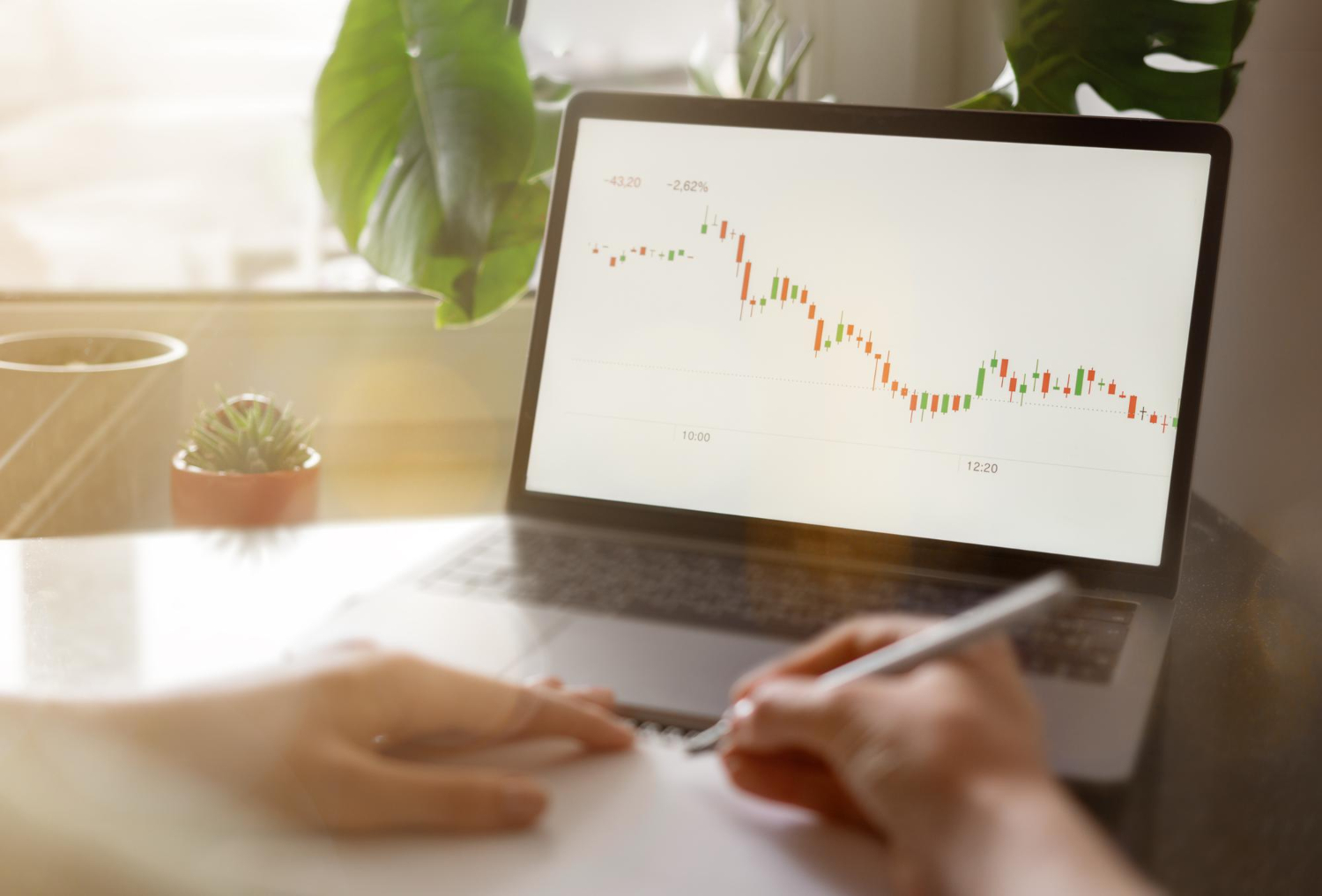
Navigating the world of Forex trading can be both exciting and daunting, especially in a rapidly evolving market like Nigeria. As the demand for currency trading rises, understanding its intricacies becomes essential for aspiring traders. This guide delves into the fundamentals of Forex trading, from selecting the right broker to developing effective strategies. By the end, you’ll be equipped with the knowledge to make informed decisions and embark on your trading journey with confidence.
What is Forex Trading?
Trading Forex, also known as foreign exchange trading, involves the buying and selling of currency pairs with the goal of profiting from market movements. When trading Forex, investors often focus on popular currency pairs such as EUR/USD, which reflects the value of the Euro relative to the US Dollar, and USD/JPY, which shows how many Japanese Yen can be purchased with one US Dollar.
The Forex market is characterized by an impressive daily trading volume of approximately $6 trillion, establishing it as the largest and most liquid financial market worldwide.
For those looking to commence trading, it is advisable to utilize trading platforms such as MetaTrader 4 or 5. These platforms provide essential tools for analyzing price movements and executing trades efficiently.
Importance of Forex in Nigeria
The Forex market offers Nigerian traders valuable opportunities for income generation, diversification, and hedging against currency fluctuations, particularly in an economy characterized by volatility.
In Nigeria, the Forex market has experienced considerable growth, with participation rates exceeding 350,000 active traders. This increase contributes to economic stability by enabling individuals to supplement their incomes, thereby enhancing the resilience of the financial sector.
As the number of Forex traders rises, financial institutions are prompted to expand their services, such as online trading platforms and investment education programs. This not only facilitates job creation but also improves market accessibility.
Furthermore, increased foreign exchange reserves play a crucial role in stabilizing the Naira, ultimately benefiting the broader economy.
Understanding the Forex Market
Understanding the mechanisms of the Forex market is crucial for traders to navigate currency pairs and market dynamics with effectiveness.
How the Forex Market Works
The Forex market operates continuously, 24 hours a day, across various global financial centers, thereby providing unparalleled liquidity and opportunities for traders. This constant market activity enables traders to enter or exit positions at any time, allowing for rapid adaptation to market changes.
Trading begins in Sydney and moves through Tokyo, London, and finally New York, resulting in a chain of overlapping trading hours. High volatility frequently arises during major news releases, such as U.S. employment reports, as traders respond to anticipated market movements.
Tools such as economic calendars can assist in identifying these significant events, while platforms like MetaTrader offer real-time data that enables traders to capitalize on rapid fluctuations in the market.
Key Terminologies in Forex
Understanding Forex terminology, including concepts such as pips, leverage, and spreads, is essential for making informed trading decisions and effectively navigating the market.
Pips serve as a measure of price movements in the Forex market, typically represented at the fourth decimal place. For example, a movement of 10 pips may occur when the price transitions from 1.2000 to 1.2010.
Leverage enables traders to control larger positions with a smaller amount of capital. For instance, a leverage ratio of 100:1 allows an individual to manage a position worth $100,000 while only investing $1,000.
Spreads represent the cost of trading; for example, a 2 pip spread on a currency pair indicates that a trader incurs a cost of 2 pips when purchasing the currency and receives the same amount when selling.
Mastering these terms is crucial, as it can significantly enhance trading strategies and overall profitability.
Choosing a Forex Broker
Selecting a reliable Forex broker necessitates thorough evaluation of regulatory compliance, trading fees, and the platforms offered to ensure a secure trading environment.
Regulatory Considerations
In Nigeria, it is essential for Forex brokers to be regulated by the Central Bank of Nigeria (CBN) to protect traders from fraudulent activities and to ensure transparency in the market. The oversight provided by the CBN is vital for maintaining a fair trading environment. Therefore, traders are strongly advised to verify a broker’s regulatory status prior to engaging in any trading activities.
Key steps to confirm a broker’s legitimacy include:
- Visiting the broker’s official website to locate their licensing information,
- Checking for registration numbers,
- Verifying these details with the official registry of the CBN.
Conducting this due diligence is crucial in mitigating risks associated with unregulated brokers that may engage in malpractice. Additionally, it is advisable to explore trader reviews on reputable forums to assess the experiences of others, thereby enhancing confidence in your selection of a broker.
Factors to Consider When Selecting a Broker
When selecting a Forex broker, it is essential to consider several key factors, including trading fees, the availability of trading platforms, the quality of customer service, and the range of currency pairs offered.
Begin with an evaluation of trading fees; brokers such as FXTM are noted for their competitive spreads and low commissions.
Next, assess the trading platforms available; many traders favor MetaTrader 4 due to its user-friendly interface and advanced charting capabilities.
Customer support is a critical component-select brokers like IGM that offer 24/7 support through various channels, including chat, email, and phone.
Finally, ensure that you have access to a diverse range of currency pairs; brokers like OANDA provide hundreds of options, catering to both novice and experienced traders.
Setting Up Your Trading Account
Establishing a trading account is a critical step for new Forex traders, as there are various account types designed to accommodate different trading styles and requirements.
Types of Trading Accounts
Forex brokers typically provide a range of account types, including demo accounts for practice purposes and live accounts for actual trading activities. The three primary types of Forex accounts are demo accounts, standard accounts, and ECN accounts.
- Demo accounts allow traders to engage in practice trading without any financial risk, making them particularly suitable for newcomers seeking to familiarize themselves with the trading environment. Brokers such as IG and OANDA offer these accounts.
- Standard accounts are the most prevalent type and cater to everyday traders. These accounts generally feature minimal to no commission, with brokers like Forex.com providing competitive spreads.
- ECN accounts connect traders directly to the market, enhancing transparency and pricing. Firms such as Pepperstone specialize in this account type, which is ideally suited for high-frequency traders.
Required Documentation
To open a Forex trading account, individuals are typically required to provide identification, proof of residence, and financial information to ensure compliance with regulatory standards.
These requirements are essential for KYC (Know Your Customer) compliance, which serves to mitigate the risks of fraud and money laundering. For identification purposes, individuals may present either a passport or a driver’s license, while a recent utility bill is acceptable as proof of address.
It is also advisable to gather documents that demonstrate your financial status, such as tax returns or pay stubs. Many brokers maintain specific guidelines regarding acceptable documentation; therefore, it is prudent to review their requirements in advance to facilitate a smooth application process.
Developing a Trading Strategy
A well-defined trading strategy is essential for Forex traders to effectively navigate market volatility and make informed decisions grounded in thorough analysis and risk assessment.
Technical Analysis vs. Fundamental Analysis
Technical analysis primarily focuses on statistical trends and price movements, whereas fundamental analysis evaluates economic indicators to forecast currency movements.
For technical analysis, one may consider utilizing MetaTrader, a widely recognized platform that offers a range of indicators, including the Relative Strength Index (RSI), which assists in identifying overbought or oversold conditions.
Conversely, fundamental analysis can be enhanced through the use of economic calendars, such as Forex Factory, which monitor economic events and reports that influence currencies, including interest rate announcements.
By integrating these methodologies, traders can develop a more comprehensive strategy, effectively assessing both market sentiment and the underlying economic factors at play.
Risk Management Techniques
Effective risk management techniques, such as stop-loss orders, position sizing, and diversification, are essential for minimizing potential losses in Forex trading.
To implement these techniques effectively, it is advisable to begin by establishing stop-loss orders for each trade. For example, if one invests $1,000 in a currency pair, a stop-loss order should be placed at a predetermined percentage, such as 2%, which would limit the potential loss to $20.
Furthermore, it is important to consider position sizing by ensuring that one risks only 1-2% of the total capital per trade. In the case of a $10,000 account, this would mean risking only $100 to $200 per trade.
Additionally, diversifying investments across various currency pairs-such as EUR/USD, GBP/JPY, and AUD/CAD-can help spread risk and reduce exposure to fluctuations in a single market movement.
Executing Your First Trade
Executing an initial Forex trade requires a comprehensive understanding of the different order types and the effective monitoring of positions to optimize returns.
Placing Orders
In the Forex market, traders typically utilize market orders for immediate execution and limit orders to establish price targets.
Market orders are executed at the current market price, making them particularly suitable for rapid transactions. For instance, when a trader is confident in the momentum of a currency pair, a market order facilitates immediate entry into the trade without delay.
On the other hand, limit orders enable traders to specify a maximum buying price or a minimum selling price, ensuring that trades are executed only when their predetermined conditions are met.
To place an order in MetaTrader, one should first select the desired currency pair from the Market Watch. Subsequently, right-click to choose ‘New Order’, and then select either ‘Market Execution’ for a market order or ‘Pending Order’ to establish a limit order with the specified parameters.
Monitoring Your Trades
Monitoring trades is essential for adjusting strategies and maximizing profits, utilizing tools and alerts for effective performance tracking.
To monitor trades effectively, one should begin by setting up alerts on a trading platform, such as MetaTrader, which enables notifications when specific price points are reached.
In addition, maintaining a trading journal is advisable, documenting the rationale and outcomes for each trade. This practice not only enhances decision-making skills but also aids in identifying recurring patterns.
Regular analysis of performance metrics, such as the win/loss ratio, will provide valuable insights into the effectiveness of trading strategies, facilitating targeted improvements.
For example, a trader may allocate 15 minutes each day to review their journal and performance data to refine their approach.
Continuous Learning and Improvement
Continuous learning and active engagement with trading communities are essential for Forex traders to remain informed about market trends and to improve their trading skills.
Resources for Ongoing Education
Numerous online resources, including webinars, courses, and trading books, are available for individuals seeking to enhance their knowledge and skills in Forex trading. To optimize the educational experience, it is advisable to select specific resources that cater to various learning styles.
For those interested in structured learning, the Investopedia Academy offers comprehensive courses that encompass fundamental concepts as well as advanced strategies. If interactive learning is preferred, ForexFactory provides engaging webinars featuring expert traders who share real-time insights. For in-depth exploration of trader psychology and strategies, the ‘Market Wizards’ series presents invaluable lessons from accomplished traders.
By integrating these resources, individuals can develop a comprehensive Forex education plan that is tailored to their specific needs and goals.
Joining Trading Communities
Participating in trading communities and forums enables traders to exchange insights, seek mentorship, and gain knowledge from experienced individuals within the Forex market.
Engagement in these communities presents considerable benefits. For example, platforms such as Reddit and BabyPips offer forums where traders can discuss strategies and pose questions.
Networking opportunities at trading meetups cultivate personal connections that may lead to potential partnerships or collaborations. Local trading groups frequently organize mentorship programs, pairing novice traders with experienced mentors for guidance.
A notable success story involves a trader who, after becoming a member of a local group, acquired the confidence and knowledge necessary to develop a distinctive trading strategy. This ultimately resulted in a remarkable increase of 150% in their trading account within a year.